Recap · All About Process Management 2026 · ICS Stuttgart
Two organizations, one question: what actually applies?
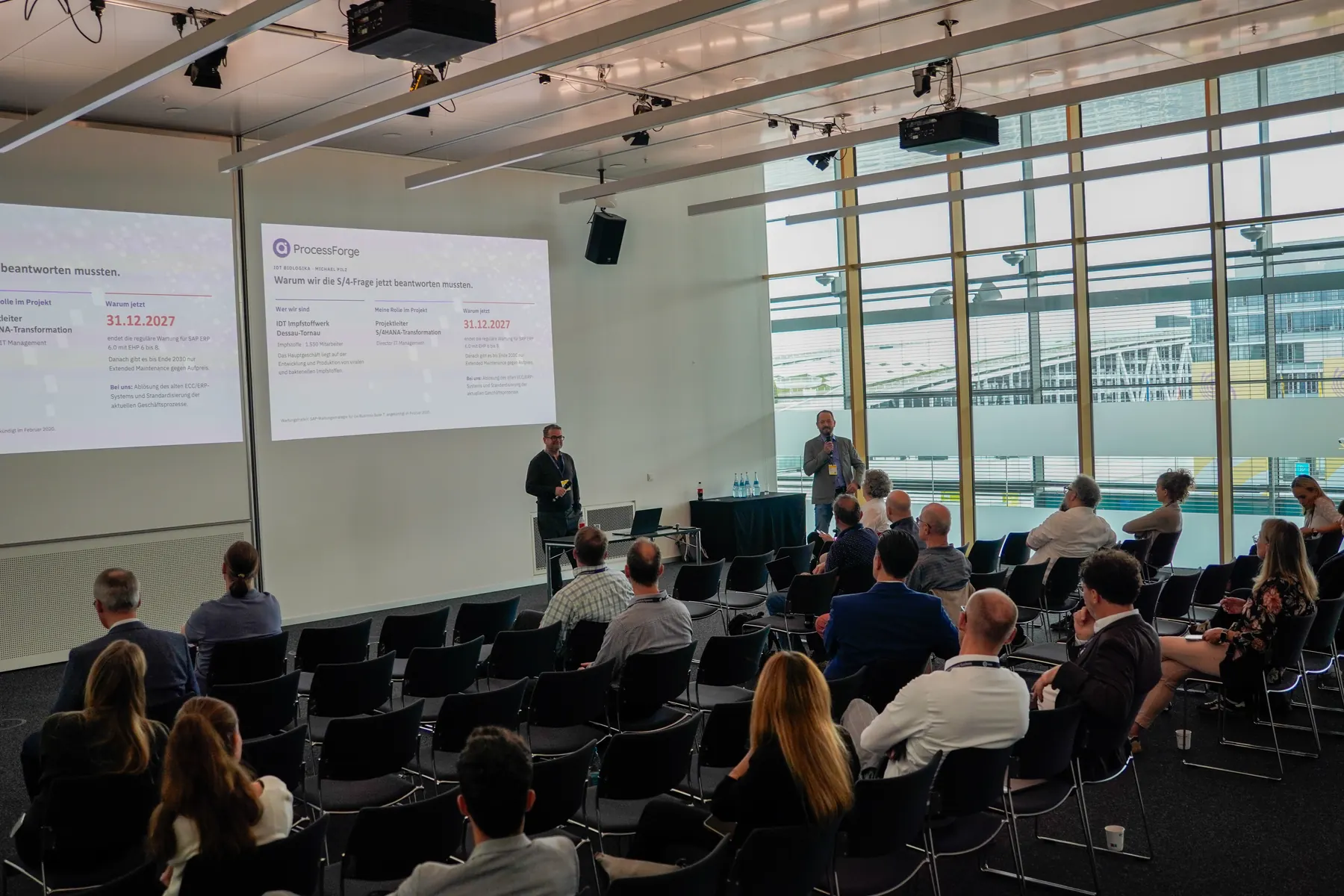
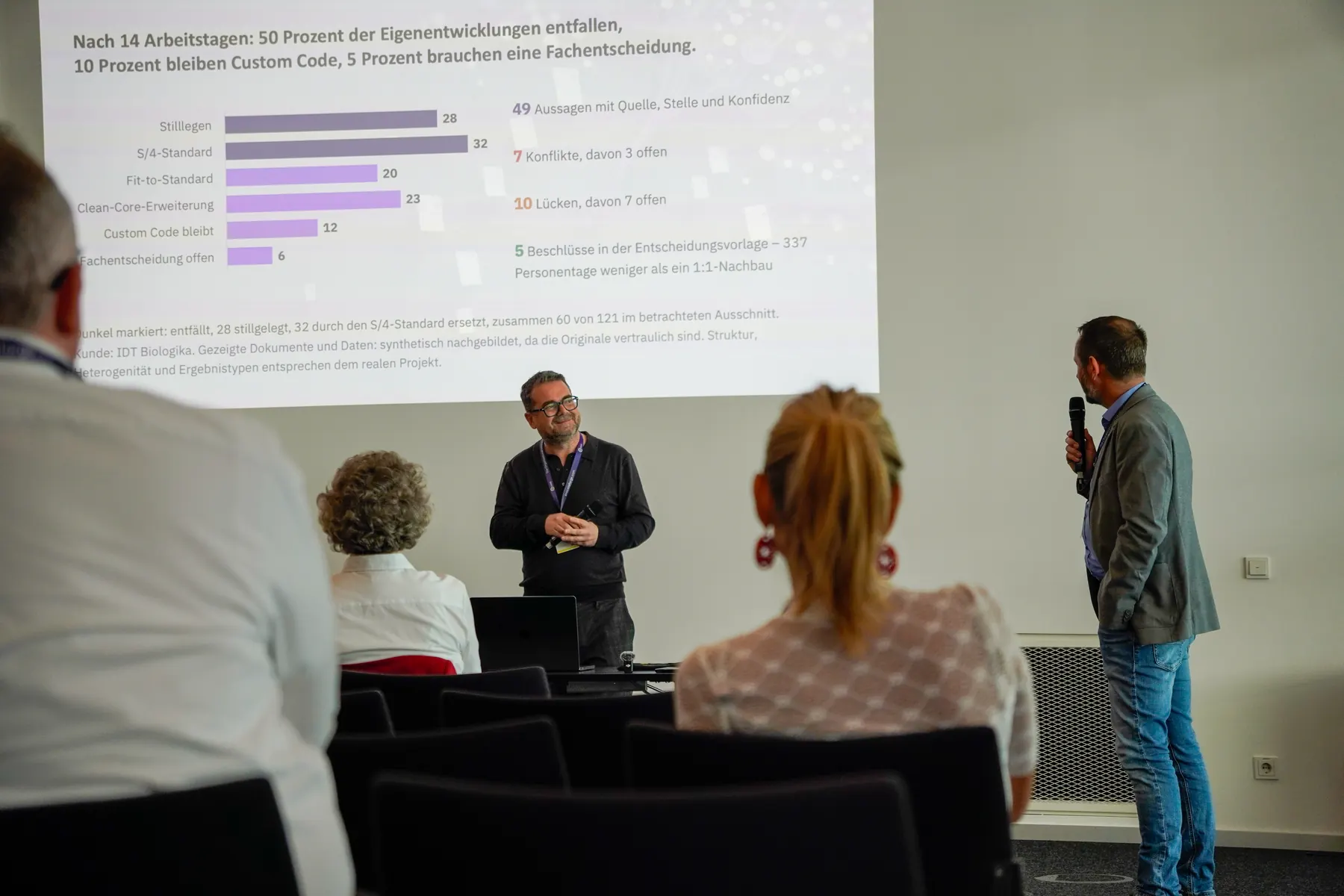
A vaccine manufacturer before its move to S/4HANA, a professional fire service before the emergency. At AAPM, both showed what happens when an organization reads its own documents against each other. For everyone who was not in Stuttgart.
Organizations know a lot about themselves. Little of it gets used.
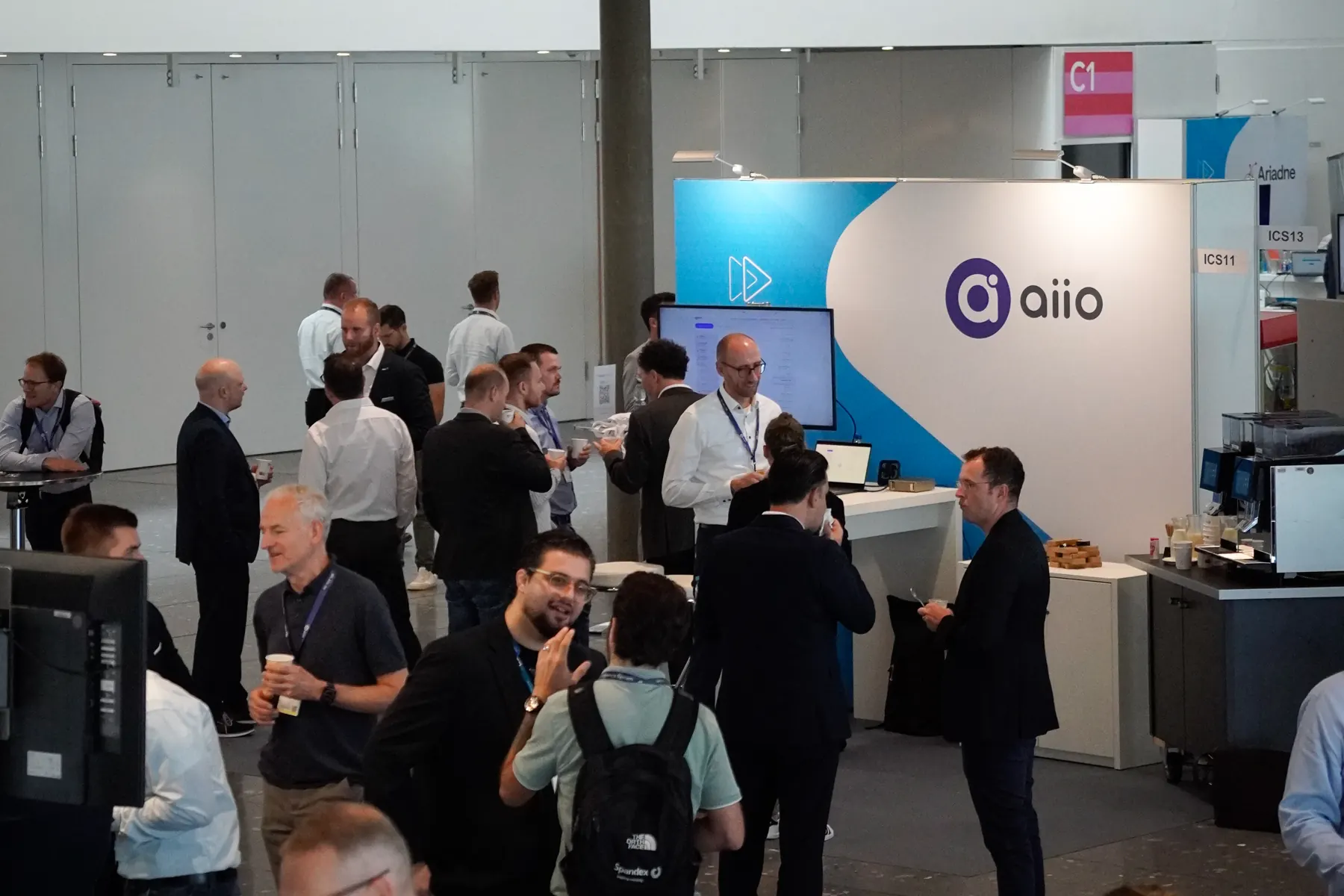
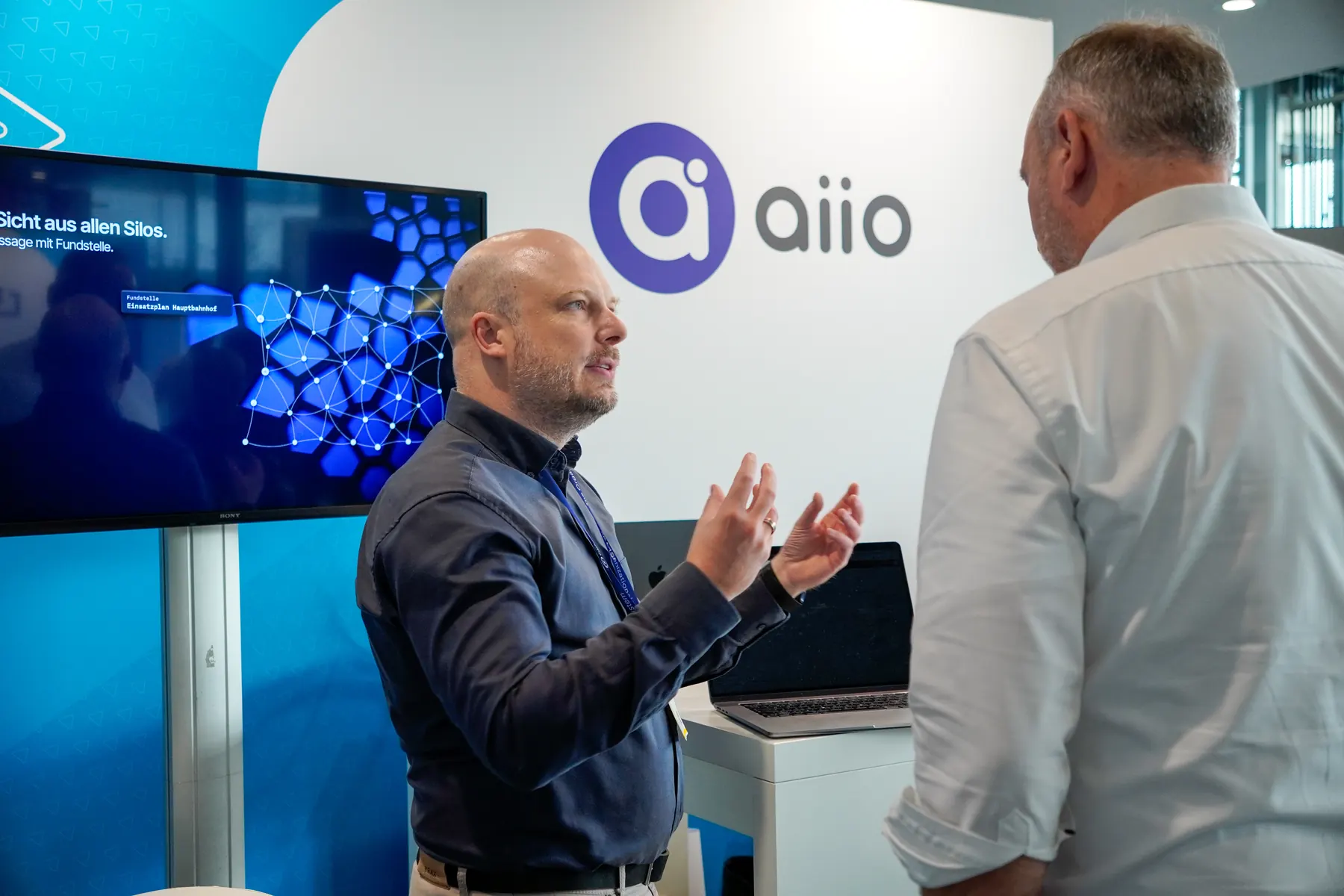
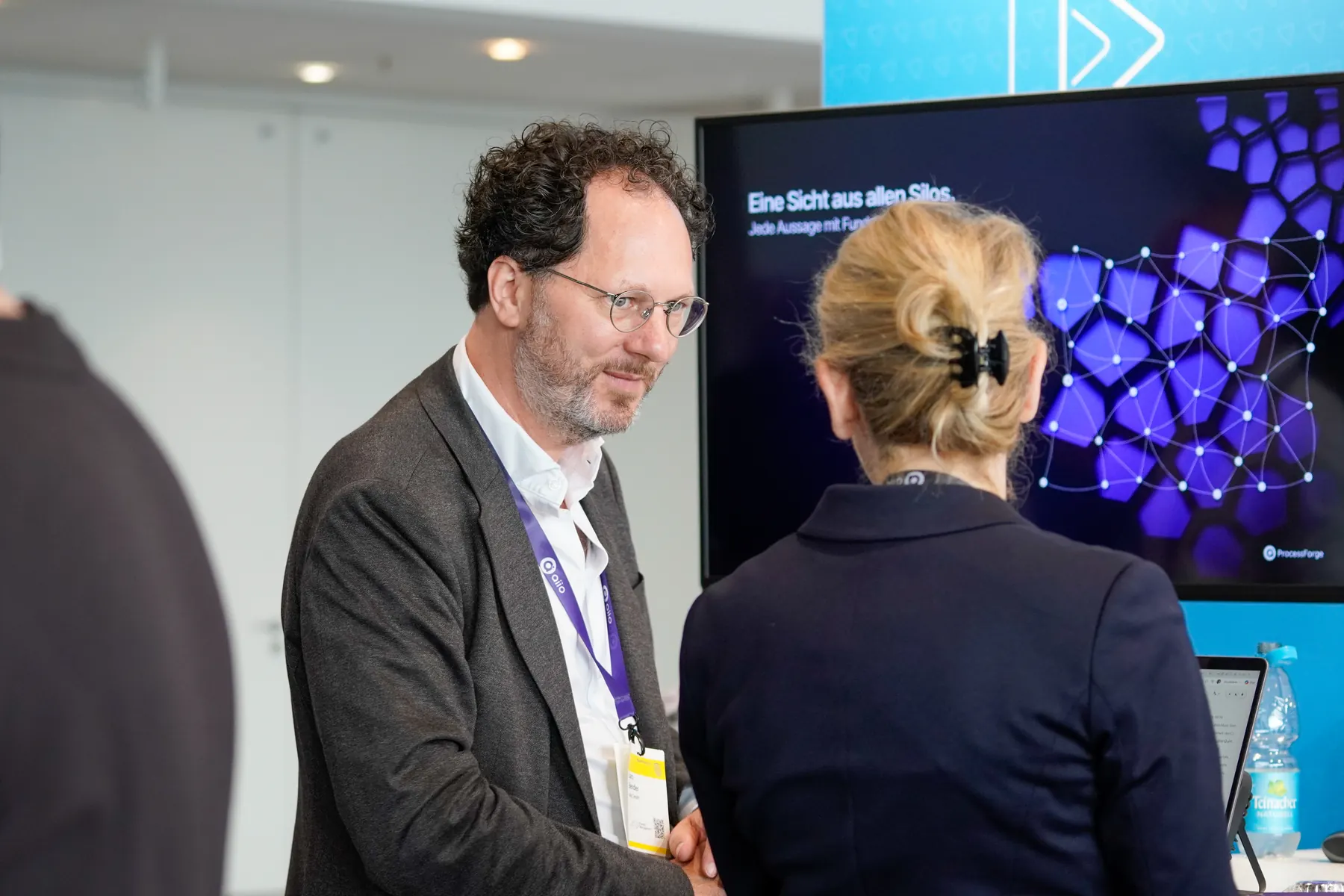
We came to Stuttgart with a question: can an organization use its own knowledge when it matters, before a migration or during an operation? We call the approach behind it the Organizational Intelligence System. ProcessForge is the tool we use to put it into practice today. Many conversations at the booth were about exactly this. Drawing processes so they exist for the audit is no longer enough for many. The question was what happens with the knowledge that is already there.
Before the migration and before the emergency
September 30 to October 1, 2026
Two days at ICS Stuttgart
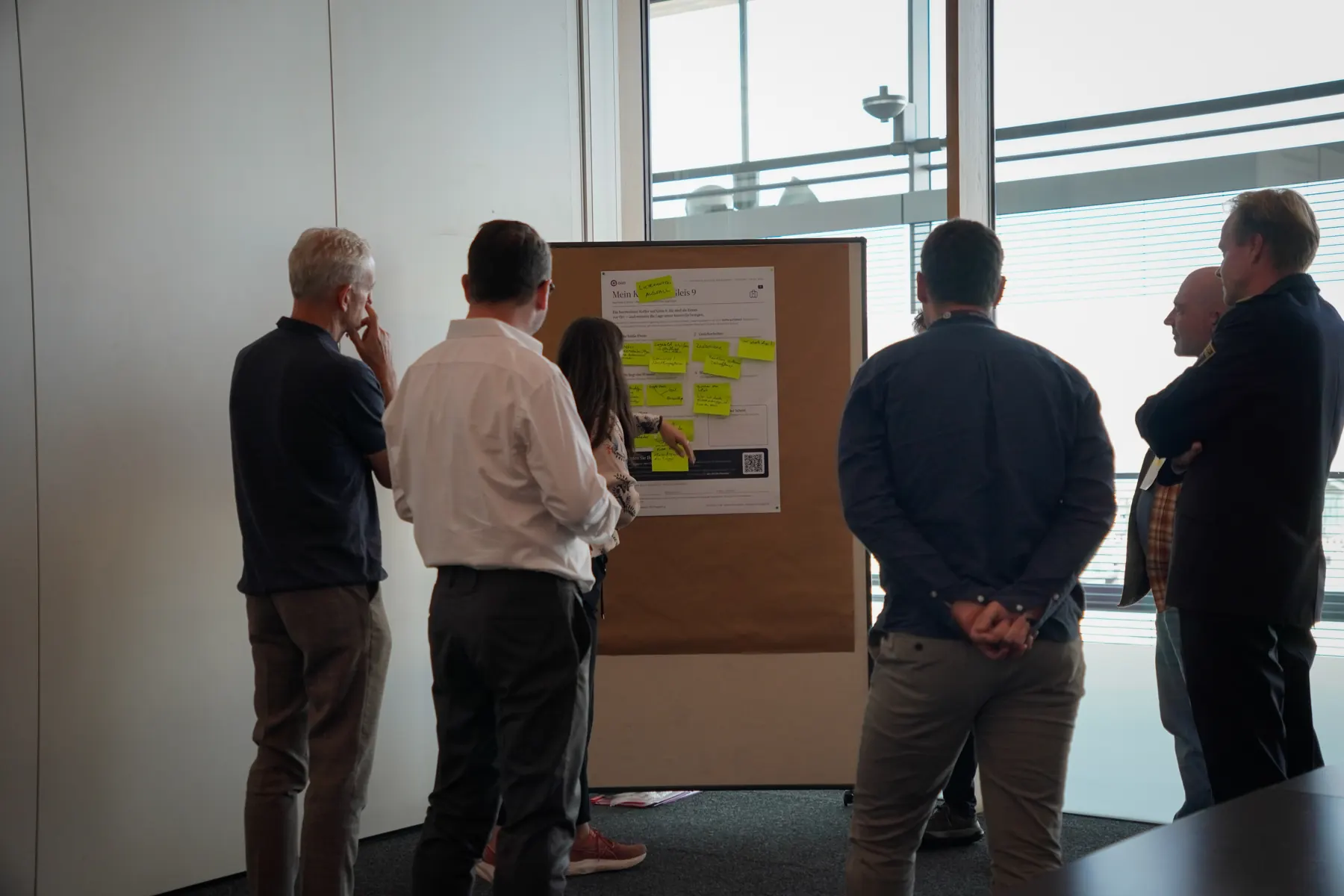
Takeaways from the masterclass
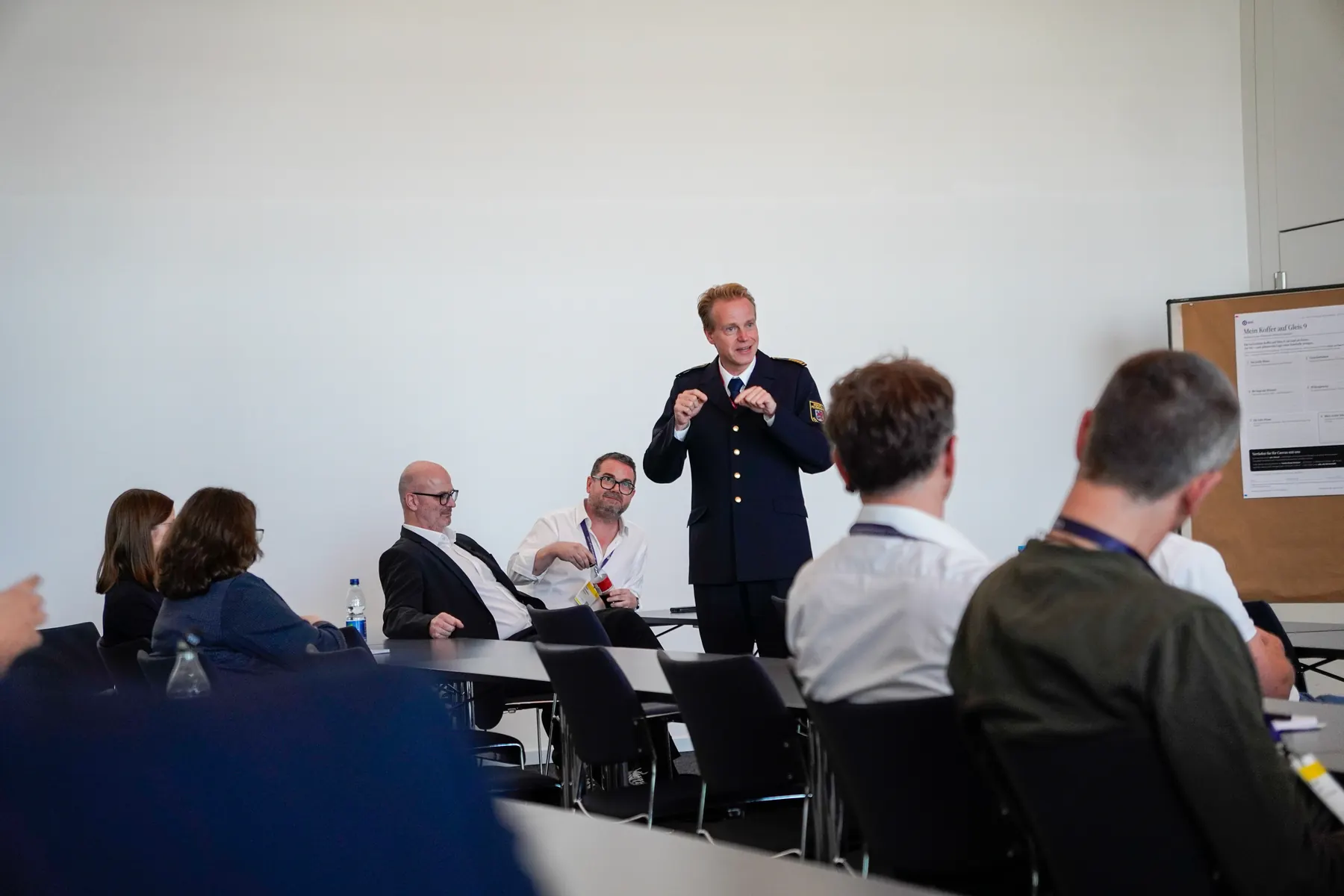
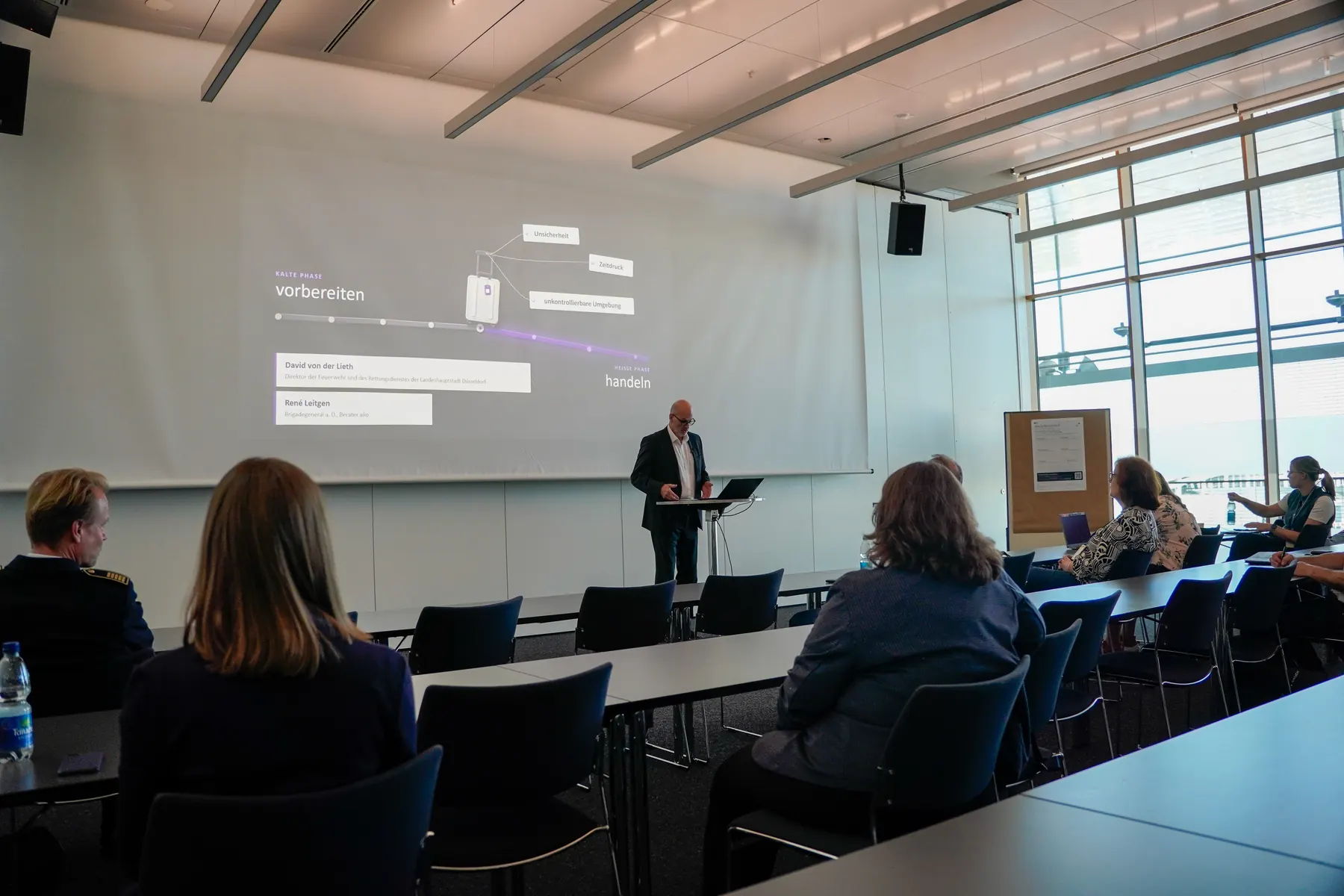
“When the situation tips” started with a scenario: an unattended suitcase, and you are first on the scene. The participants then sketched their own case in groups, along six questions. One group replaced the suitcase with an IT security incident and found that the reporting chain depends on exactly the systems that fail in the incident.
- 1The hot phase
What is happening? Who has to act?
- 2Uncertainties
What do you not know in that moment?
- 3Where is the knowledge?
In documents, systems and people's heads.
- 4Contradictions
Between sources, plans and responsibilities.
- 5The cold phase
What has to be prepared today?
- 6My first step
One concrete measure within the next 30 days.
Talk it through →
The continuation at Smart Country Convention
Two weeks later, the Düsseldorf Fire Service joined us in Berlin: three times on our stage, and David von der Lieth also on the Bitkom Green Stage. Plus a field report from state administration and the funding agent with innovo consultING. The recap is available in German.
SCCON 2026 recap (German) →Not in Stuttgart?
What would such a comparison show for you?
Name and email are enough. We will get back to you for 20 minutes in which we listen: your project, your documents, your open questions. Whether S/4 migration, audit or emergency planning.